
Date Published: February 23, 2026, Last Updated on March 10, 2026 by Nathan Hodge
Many homeowners consider DIY carpet installation to save money. On the surface, it can appear simple. Remove the old flooring, lay carpet, trim the edges and enjoy the result.
However, carpet is one of the most technical flooring products to install correctly. A poor installation can shorten its lifespan, affect its appearance and even void the manufacturer’s warranty.
As your carpet supply and installation experts, we do not recommend DIY carpet installation for most homes. Carpet is a specialised flooring product that relies heavily on correct tension, precision cutting and proper subfloor preparation.
Even small installation errors can shorten the life of the carpet or affect its appearance. In our experience, the cost of fixing DIY mistakes often outweighs the initial savings.
This guide explains the hidden risks and long-term costs. We also outline the common problems that arise when carpet installation is handled without professional experience.
To avoid the stress and risk of DIY carpet installation, leave it to the experts. Call our team on (03) 9357 8444 or book our mobile showroom for professional carpet supply and installation.
DIY Carpet Installation Requires Specialised Tools and Skill
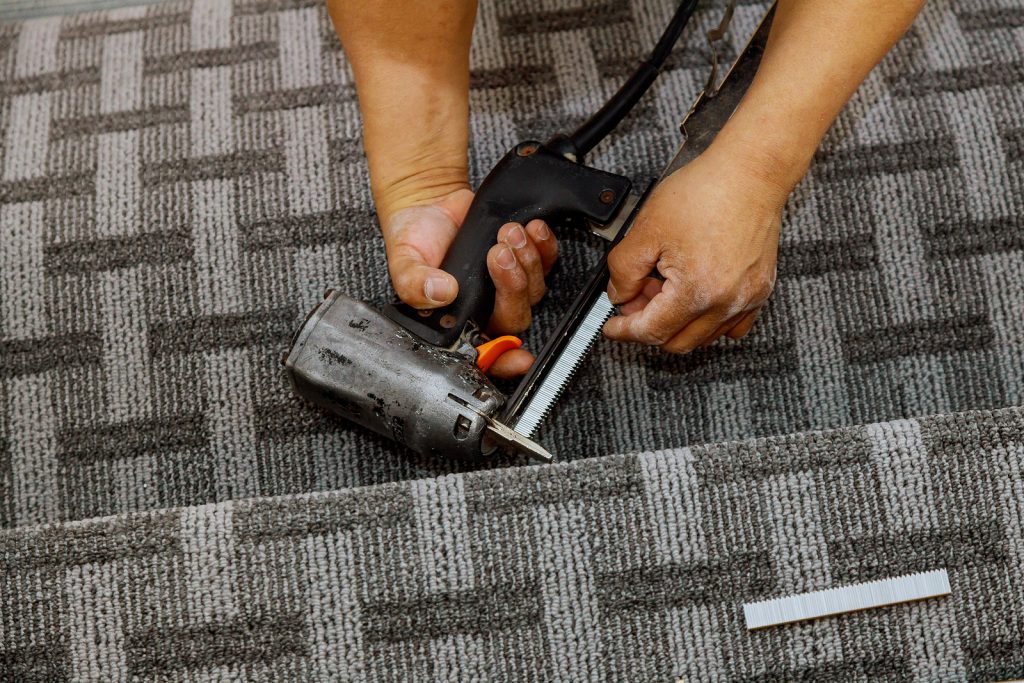
Carpet installation is not just about cutting and fitting material. It requires specialised tools and training to achieve correct tension and alignment.
Essential tools often include:
- Knee kicker
- Carpet tucker
- Carpet stretcher
- Smooth edge strips
- Utility knife
- Seam tape and adhesive
While some retailers sell DIY kits, these tools require experience to use effectively. Unlike vinyl flooring, which often uses click-lock systems, carpet must be stretched and tensioned correctly.
Proper tension prevents movement and early wear. A knee kicker is used to stretch the carpet into position. Without the correct technique, the carpet can loosen over time and develop ripples.
A carpet tucker is required to neatly secure the edges between the smooth edge and skirting boards. Incorrect trimming with a utility knife can permanently damage the carpet.
Even minor miscalculations can affect the final result.
Incorrect Tension Causes Ripples and Early Wear
One of the most common problems with diy carpet installation is incorrect stretching. The carpet must be tensioned evenly across the room to prevent movement.
If the carpet is not stretched properly:
- Ripples may form within months
- Seams may separate
- Edges may lift
- High traffic areas may flatten prematurely
Professional carpet installers are trained to stretch the carpet correctly using the appropriate equipment. This ensures the flooring performs as designed over time.
For a clearer understanding of what proper carpet installation involves, our complete guide to carpet supply & installation explains the professional process in detail.
Subfloor Issues Are Often Overlooked
Before you lay carpet, the subfloor must be clean, level and dry. DIY projects frequently overlook small imperfections that later become visible under the finished carpet.
Common problems include:
- Leftover staples or nails
- Uneven timber boards
- Moisture in concrete slabs
- Minor dips or raised areas
These issues may not seem significant at first. However, once installed, the carpet can cause visible lumps or reduce durability.
DIY Can Void Your Warranty
Many carpet manufacturers require professional installation to maintain warranty coverage. Improper installation can invalidate claims for wear, seam failure, or rippling.
This means that if something goes wrong, repair or replacement costs may fall entirely on the homeowner.
Manufacturers often emphasise the importance of following their instructions when installing flooring products, particularly when warranty conditions apply.
Warranty protection is one of the key reasons many homeowners choose professional carpet installation rather than risk it.
Hidden Costs Often Outweigh Initial Savings
DIY is often motivated by cost savings in labour. However, the true expense can increase quickly.
Consider the potential costs of:
- Hiring or purchasing specialised tools
- Buying extra carpet due to measurement errors
- Replacing damaged sections
- Paying a professional to fix mistakes
- Losing warranty protection
In many cases, homeowners who attempt DIY carpet replacement end up spending more than they expected. They often would have paid less by engaging a professional from the start.
If you are evaluating costs carefully, our guide to carpet installation costs explains what influences pricing and what to expect in a transparent quote.
Time, Safety and Physical Demands
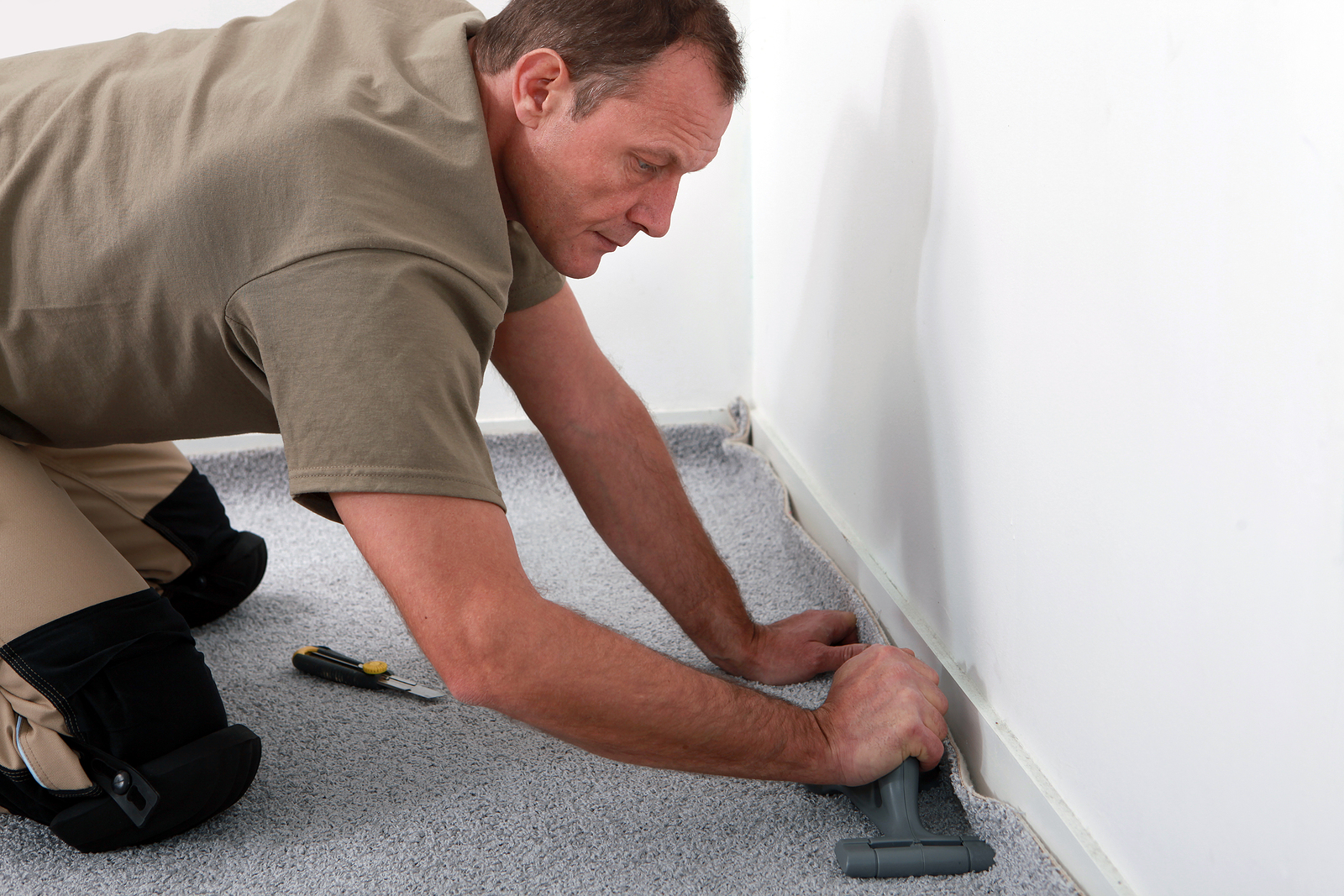
Carpet rolls are heavy and awkward to manoeuvre. Cutting and stretching require physical strength and sustained kneeling. Installers often wear knee protection and maintain proper posture to avoid injury.
DIY projects can become time-consuming, particularly when working around stairs, corners or irregular layouts.
Staircases are especially challenging. Precision cutting and secure tensioning are critical to prevent movement and premature wear.
When Professional Carpet Installation Makes Sense
Professional installation offers several advantages:
- Correct tensioning and alignment
- Clean seams and invisible joins
- Proper underlay pairing
- Efficient project completion
- Warranty compliance
- Long-term durability
Rather than viewing installation as an added expense, many homeowners see it as protection for their flooring investment.
Upgrade Your Floors With Expert Carpet Installation
DIY carpet installation can appear appealing, but the risks are significant. Poor tension, incorrect trimming, overlooked subfloor issues and warranty loss can lead to expensive outcomes.
Our team can manage the entire carpet supply and installation process for you. From measuring and product selection to final fitting, we ensure your new flooring is installed correctly the first time.
Call (03) 9357 8444 or submit an enquiry to talk to our carpet experts.